



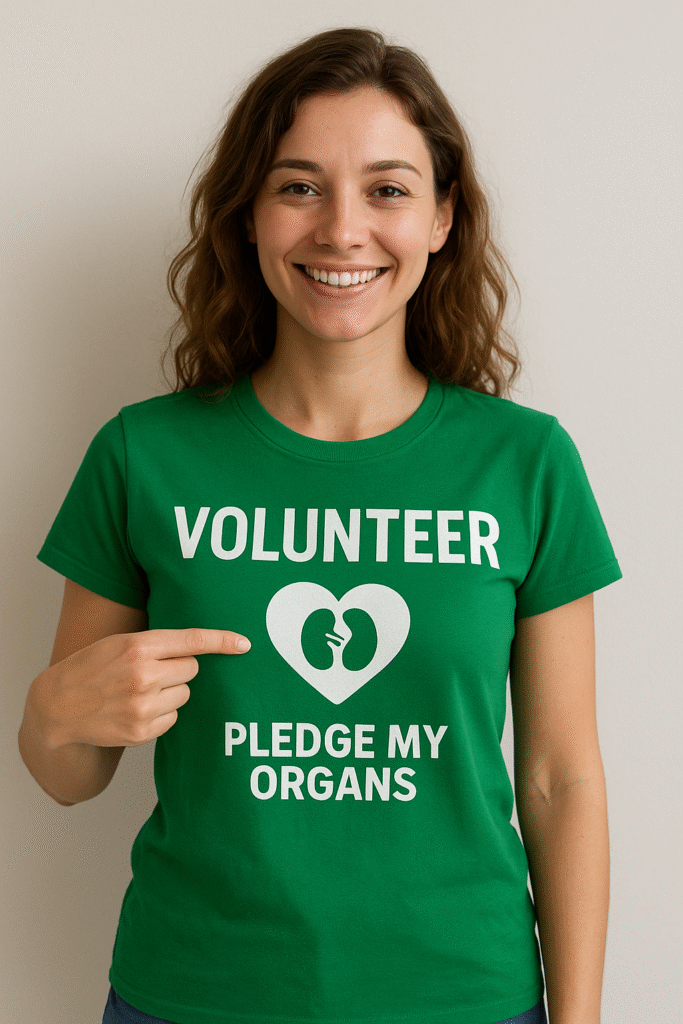
Volunteer with Pledge My Organs to take a strong stand for life by supporting ethical organ donation efforts that respect dignity and informed choice. By getting involved, you help spread hope and clear understanding among individuals and families. Your efforts contribute to educating communities with honest, easy-to-understand information.
Through active participation, you become part of meaningful initiatives that inspire people to pledge with confidence. These actions strengthen trust and encourage open conversations around donation decisions. Many of these efforts are carried forward through Organ donation awareness events led by Pledge My Organs, helping turn awareness into real-life impact.
Table of Contents
How to Volunteer with Pledge My Organs
Volunteering begins with a simple decision to support a cause that truly saves lives. Organ donation can feel like a difficult topic, but when approached with empathy and clear information, it becomes a powerful way to help others. This guide explains how individuals can step forward to support awareness, education, and informed decision-making through Pledge My Organs.
The process focuses on learning the purpose behind the initiative, understanding responsible communication, and contributing to trust-building efforts within communities. By getting involved, volunteers become part of a mission that values transparency, compassion, and social responsibility while helping address common myths and concerns.
For those wondering where to start, clear volunteering opportunities make involvement accessible and meaningful. Whether you are a student, a professional, or a community leader, learning how to volunteer with purpose allows you to use your time, skills, and voice to create positive and lasting impact.
Why Organ donation awareness events matter at the community level
These initiatives help normalize discussions around organ donation by bringing them into public spaces where people feel comfortable engaging. They create safe environments in which questions are welcomed and concerns are addressed honestly and respectfully.
Through workshops, small gatherings, and public sessions, these programs connect people directly with the mission of saving lives. Volunteers play an important role by guiding conversations with patience, sensitivity, and care.
Such efforts also help families understand the long-term impact of pledging organs. When communities are well informed, decision-making becomes clearer, more confident, and more thoughtful.
Pro Tips
1. Understand the mission deeply
Before getting involved, take time to learn about the purpose, values, and goals of the initiative. Understanding why awareness matters and how ethical organ donation is promoted helps you speak with clarity and confidence. When you decide to Volunteer with Pledge My Organs, believing in the mission makes your conversations feel natural and trustworthy.
2. Participate actively in Organ donation awareness events
Being present at awareness events allows you to connect directly with people from different backgrounds. Face-to-face interaction helps build trust and encourages open discussion. Listening carefully and responding with empathy makes others feel respected. Active participation also helps you gain real-world experience in community engagement.
3. Use simple and respectful language
Avoid complex medical terms when speaking to the public, as they can confuse or discourage people. Simple, clear language helps everyone understand the message easily. A respectful tone shows sensitivity toward personal beliefs and emotions. When communication feels approachable, people are more likely to listen and engage.
4. Share real-life impact stories
Stories help people relate emotionally to the cause and understand its importance. Sharing real examples of how organ donation saves lives makes the message more powerful. These stories inspire hope and show the human side of awareness efforts. Personal connections often leave a lasting impression.
5. Be consistent with your involvement
Regular participation shows commitment and builds credibility within the community. When people see you often, they are more likely to trust your message. Consistency also helps strengthen relationships with other volunteers and organizers. Over time, steady efforts create deeper impact.
6. Encourage questions without pressure
Create a welcoming space where people feel comfortable asking questions. Allow individuals to think and decide at their own pace without feeling rushed. Volunteering is about guiding and informing, not persuading forcefully. Respectful conversations lead to informed and confident decisions.
7. Collaborate with local groups
Working with schools, colleges, and community organizations helps reach a wider audience. Collaboration brings diverse perspectives and strengthens outreach efforts. Local groups often have established trust within their communities. Partnering with them increases visibility and effectiveness.
8. Respect cultural and personal beliefs
Every person has unique values and experiences that shape their views. Respecting these differences helps build meaningful and respectful dialogue. A non-judgmental approach encourages openness and understanding. Sensitivity is key to productive conversations.
9. Stay updated with accurate information
Having correct and up-to-date information builds confidence in your communication. It ensures that you can answer questions responsibly and clearly. Relying on verified details helps prevent misunderstandings. Accurate knowledge strengthens trust in the message you share.
10. Reflect and improve continuously
After each activity, take time to reflect on your experience. Identify what went well and what could be improved next time. Continuous learning helps you grow as a volunteer. Small improvements over time lead to greater impact and confidence.
FAQs
1. How can I Volunteer with Pledge My Organs effectively?
Volunteering starts with understanding the cause and participating in awareness activities. You can support outreach, education, and community engagement initiatives. Consistency and empathy are key to making an impact. Visit the official platform to learn about current opportunities.
2. What skills are useful for volunteers?
Communication, listening, and teamwork are valuable skills. Even basic interpersonal skills can make a difference. Training and guidance are usually provided. A willingness to learn matters most.
3. How do Organ donation awareness events help society?
It educates people about ethical organ donation. They reduce myths and misinformation through open discussion. Communities become more informed and supportive. This leads to more confident decision-making.
4. Can students participate in volunteering activities?
Yes, students are encouraged to participate. Volunteering helps develop social responsibility and awareness. It also builds communication and leadership skills. Students often play a vital role in outreach.
5. Is long-term commitment required?
Long-term commitment is appreciated but not mandatory. Even short-term involvement can create impact. Volunteers can choose roles based on availability. Every contribution adds value.
Conclusion
Choosing to Volunteer with Pledge My Organs means choosing compassion, awareness, and responsible action. Through education, respectful conversations, and Organ donation awareness events, volunteers help create informed communities that understand the power of organ donation. By supporting initiatives led by Pledge My Organs, individuals become part of a meaningful journey that values life, trust, and hope. Your time and voice can inspire decisions that save lives and shape a more informed society.
