



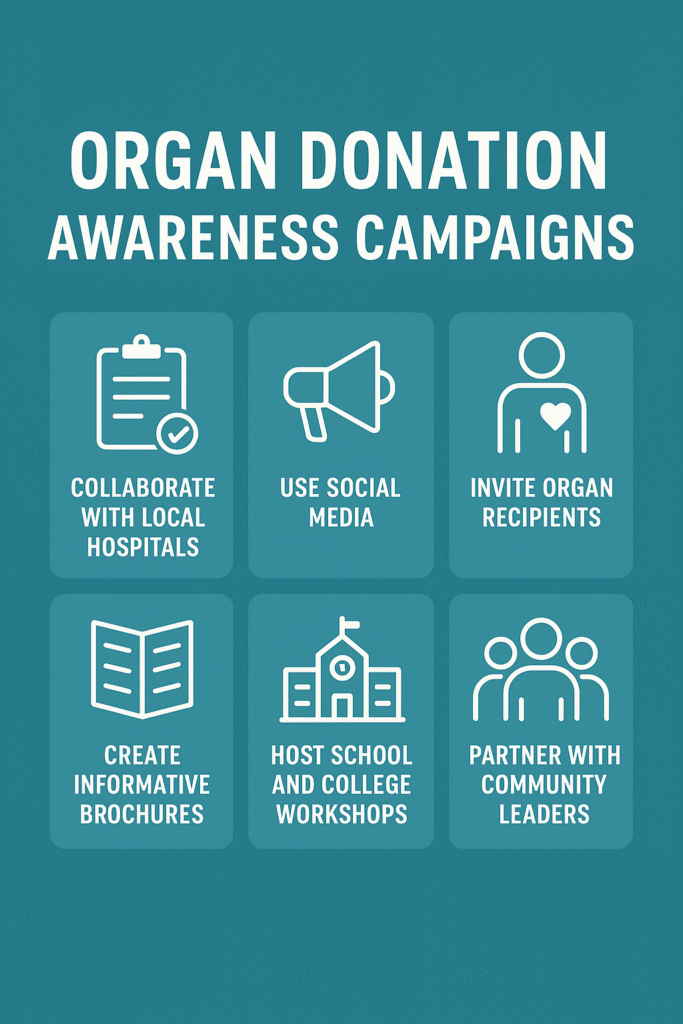
Organ donation awareness campaigns play a vital role in saving lives by addressing social myths, fear, and lack of accurate information. This article explores the real challenges these efforts face, their meaningful impact on communities, and how people can get involved with organ donation campaigns through trusted initiatives Pledge My Organs to support informed, life-saving choices and create positive change.
Table of Contents
Organ Donation Awareness Campaigns: Impact, Challenges, and Hope
Public awareness efforts around organ donation help create understanding where uncertainty and fear often exist. Many people hesitate because of myths, cultural beliefs, or lack of clear information, and these initiatives work patiently to address those concerns through education and open dialogue. They bring complex medical and ethical topics into simple, relatable conversations that people can understand and trust.
Although social hesitation and misinformation remain real challenges, consistent outreach has shown positive results by encouraging families and individuals to think beyond assumptions. Community programs, discussions, and personal stories help build empathy and confidence, making the idea of donation less intimidating and more meaningful. Over time, these efforts offer hope to patients waiting for transplants, comfort to families seeking clarity, and a sense of shared responsibility that proves awareness can truly lead to lasting social change.
Why Get Involved With Organ Donation Campaigns Matters
Taking part in awareness efforts helps educate people, clear long-standing doubts, and support thoughtful decisions that can truly make a difference. When individuals step forward, they strengthen understanding within their communities and encourage open, honest conversations around a sensitive yet important subject.
Even small actions, such as sharing accurate information or supporting local activities, help build trust and confidence. Pledge My Organs offers a clear and simple way for people to register their decision and communicate their intent, bringing hope to patients and reassurance to families waiting for life-saving support.
Pro Tips
1. Start With Honest Conversations
Begin by talking openly with family members, friends, or colleagues in a relaxed setting. Honest conversations during organ donation awareness campaigns help remove fear and hesitation because people feel safe asking questions. Listening is just as important as speaking, as it builds trust and understanding.
2. Learn the Facts First
Accurate knowledge helps reduce fear caused by myths or rumors. People are more likely to listen when information is shared with confidence and clarity. Taking the initiative to get involved with organ donation campaigns also sets an example and encourages others to learn and participate.
3. Share Real Stories
Real-life stories of donors and recipients help people connect emotionally. Hearing how a single decision changed someone’s life makes the topic feel real and relatable. Stories also show the human side of donation, not just the medical aspect. Emotional connection often leads to deeper understanding and compassion.
4. Support Community Activities
Join local awareness events such as talks, small gatherings, or information drives. These activities create a friendly space where people can learn without pressure. Face-to-face interaction allows for open questions and honest answers. Community involvement helps spread awareness beyond online spaces.
5. Use Social Media Responsibly
Share clear and positive messages online without using fear or guilt. Short posts, images, or simple explanations can reach many people quickly. Avoid sharing unverified information, as accuracy is important. Responsible sharing helps create healthy and respectful conversations.
6. Address Myths Calmly
Many people hesitate because of common misunderstandings. Instead of arguing, explain the facts calmly and patiently. Respect different opinions and allow people time to reflect. A gentle approach helps people feel comfortable changing their views.
7. Encourage Family Discussions
Remind people that discussing their decision with family members is important. Clear communication helps families understand and respect personal choices. These discussions reduce confusion during difficult moments. Open family dialogue brings peace of mind to everyone involved.
8. Guide People to Register
Help others understand how simple the registration process is through Pledge My Organs. Walk them through the steps if needed and answer basic questions. Clear guidance removes hesitation caused by uncertainty. When the process feels easy, more people are likely to take action.
9. Involve Young People
Encourage students and young adults to learn and talk about organ donation early. Youth are open to new ideas and often share information widely. Educational talks, group discussions, and creative activities work well with younger audiences. Early awareness helps build responsible future citizens.
10. Stay Consistent and Supportive
Awareness does not happen overnight. Continue sharing information, answering questions, and offering support without pressure. Consistency builds trust over time. A supportive attitude helps people make informed decisions when they feel ready.
FAQ’s
What are Organ Donation Awareness Campaigns and why are they important?
This helps educate the public about organ donation using facts, stories, and community engagement. They reduce myths, build trust, and encourage informed pledging decisions. These campaigns create a supportive environment where people feel safe to learn. Over time, they help increase the number of registered donors.
How can individuals support awareness efforts?
People can support by attending events, sharing information, and encouraging discussions at home and work. Even small actions like answering questions or guiding others to trusted resources help. Consistent involvement to get involved with organ donation campaigns strengthens awareness and impact. Every voice adds value.
Is organ donation a safe and ethical process?
Yes, organ donation follows strict medical and legal guidelines. Doctors prioritize saving lives, and donation is only considered after all medical protocols are met. Awareness campaigns explain these safeguards clearly. Transparency builds confidence.
Can young people participate in awareness campaigns?
Young people can actively participate through volunteering, organizing events, and spreading information responsibly. Their energy and creativity help reach wider audiences. Early involvement builds long-term awareness. Education at a young age makes a lasting difference.
Where can people learn more and pledge responsibly?
People can visit Pledge My Organs to learn accurate information and register their pledge. The platform provides clear guidance without pressure. It also supports awareness activities across communities. This helps people make informed choices.
Conclusion
Organ donation awareness campaigns bring knowledge, compassion, and clarity to an important social cause. When individuals choose to get involved with organ donation campaigns, they help create informed communities and stronger support systems for patients in need. Through consistent awareness, honest conversations, and responsible participation via platforms Pledge My Organs, these campaigns continue to inspire hope and save lives.
