


Discover how Hospitals as a resource for organ donation education can shape lifesaving decisions, improve public understanding, and strengthen ethical practices in communities. This expanded guide explains how hospitals play a vital role in donor education, why Pledge My Organs is an essential platform for anyone wishing to register as an organ donor, and how coordinated Organ donation awareness programs support informed choices for families and individuals.
Table of Contents
Hospitals as a resource for organ donation education
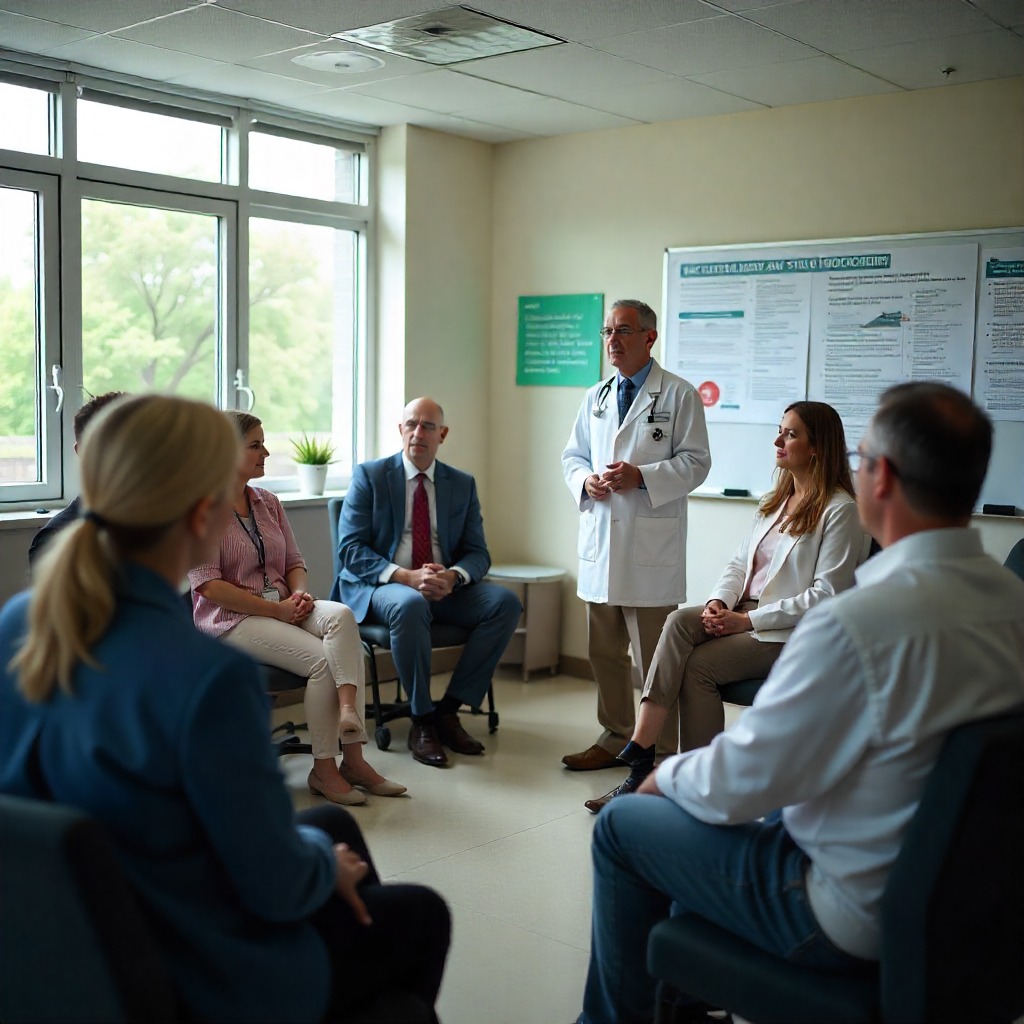
Hospitals today are central to spreading accurate and compassionate information about donation. They guide families, support donor registration, and offer reliable information during emotionally sensitive times. Their role is becoming even more important as more people participate in community driven educational programs that support early learning and informed decision making.
Hospitals also help reduce doubts created by myths or misinformation. When people hear facts directly from medical professionals, they gain confidence and clarity. They also ensure families understand the donation process so they can make decisions without fear or confusion.
Finally, hospitals work alongside trusted platform Pledge My Organs, giving families practical ways to register as donors and spread awareness responsibly.
Organ donation awareness programs
Educational programs help communities build long term trust in the donation process. These efforts cover important topics like donor rights, family communication, and medical procedures. When hospitals support these initiatives, communities gain a deeper understanding of how donation saves lives.
People often feel more comfortable learning from medical teams they already trust. Hospitals help these programs reach schools, workplaces, and community groups in ways that feel personal and supportive. They also encourage families to discuss donation early so they can make clear decisions before medical emergencies occur.
These programs also highlight trustworthy platform Pledge My Organs, where individuals can safely register as donors and learn how donation benefits others.
Pro Tips:
- Encourage early donor conversations at home.
Families should talk about donation well before emergencies arise so everyone understands each other’s wishes. This creates clarity, builds trust, and helps avoid confusion during stressful moments, especially when guided by Hospitals as a resource for organ donation education that provides clear and supportive information. - Join local educational programs.
These programs offer practical workshops that explain the donation process in a simple, clear way. They help individuals feel more confident about their decisions through structured learning, especially when supported by Organ donation awareness programs that encourage informed participation. - Ask hospital educators questions.
Medical teams are trained to explain procedures in easy language that anyone can understand. Asking questions helps families feel supported and reduces uncertainty. - Visit Pledge My Organs for guidance.
The platform makes donor registration simple and user friendly for anyone interested. It provides clear steps that help individuals understand what registering means. - Attend community events hosted by hospitals.
These events share real experiences and give people a chance to hear from medical experts directly. They also create a safe space for open discussion and learning. - Encourage young adults to learn early.
When younger people understand the importance of donation, they develop healthier, informed perspectives. Early awareness also helps them make confident choices later in life. - Request informational leaflets during visits.
These materials simplify important concepts and can be reviewed at home anytime. They help families absorb information at their own pace. - Ask hospital staff to explain medical terms slowly.
Breaking down complex terms helps reduce fear and misunderstanding. It ensures families feel comfortable and fully informed. - Participate in hospital Q&A sessions.
These sessions provide direct, honest answers from medical professionals. They also give attendees the opportunity to clear doubts that general online information might not address. - Support collaboration between hospitals and education groups.
Partnerships help communities get reliable and accessible information from trusted sources. They also ensure that donation education reaches more people effectively.
FAQs
1. How do hospitals as a resource for organ donation education help families make informed decisions?
Hospitals guide families with clear, compassionate explanations so they understand the donation process fully. They offer emotional support and factual information during difficult moments. Families feel more confident when medical teams explain legal and ethical steps calmly. Hospitals also direct individuals to the trusted platform Pledge My Organs.
2. How can someone register as an organ donor?
Anyone can register by visiting a trusted donor platform where the process is simple and beginner friendly. The website clearly explains what donor registration means. Families are encouraged to discuss their choice so everyone understands the decision. This makes future medical steps easier and more respectful.
3. Why are Organ donation awareness programs important for communities?
These programs help remove confusion and fear surrounding donation. They teach people how donation works in a respectful and factual way. Communities become more informed and supportive when programs share real stories and medical explanations. Hospitals often help these programs reach more people.
4. What role does family communication play in organ donation?
Families should discuss donation early so their choices are understood. Clear communication avoids stress during emergencies. When families know each other’s wishes, decisions become easier and more peaceful. Awareness supports these healthy conversations.
5. How does Pledge My Organs support donor education?
The platform explains donations in simple language that anyone can follow. It helps people register confidently and understand each step clearly. The website focuses on awareness and informed decisions. Hospitals often guide families to use reliable platforms like this.
Conclusion
Hospitals as a resource for organ donation education remain essential in helping families understand the donation process and make confident choices. By supporting Organ donation awareness programs, hospitals make sure communities get trustworthy guidance that encourages early conversations, informed decisions, and compassionate support. With the help of Pledge My Organs, individuals can register easily and contribute to a future where lifesaving donations become more accessible and understood by everyone.
