



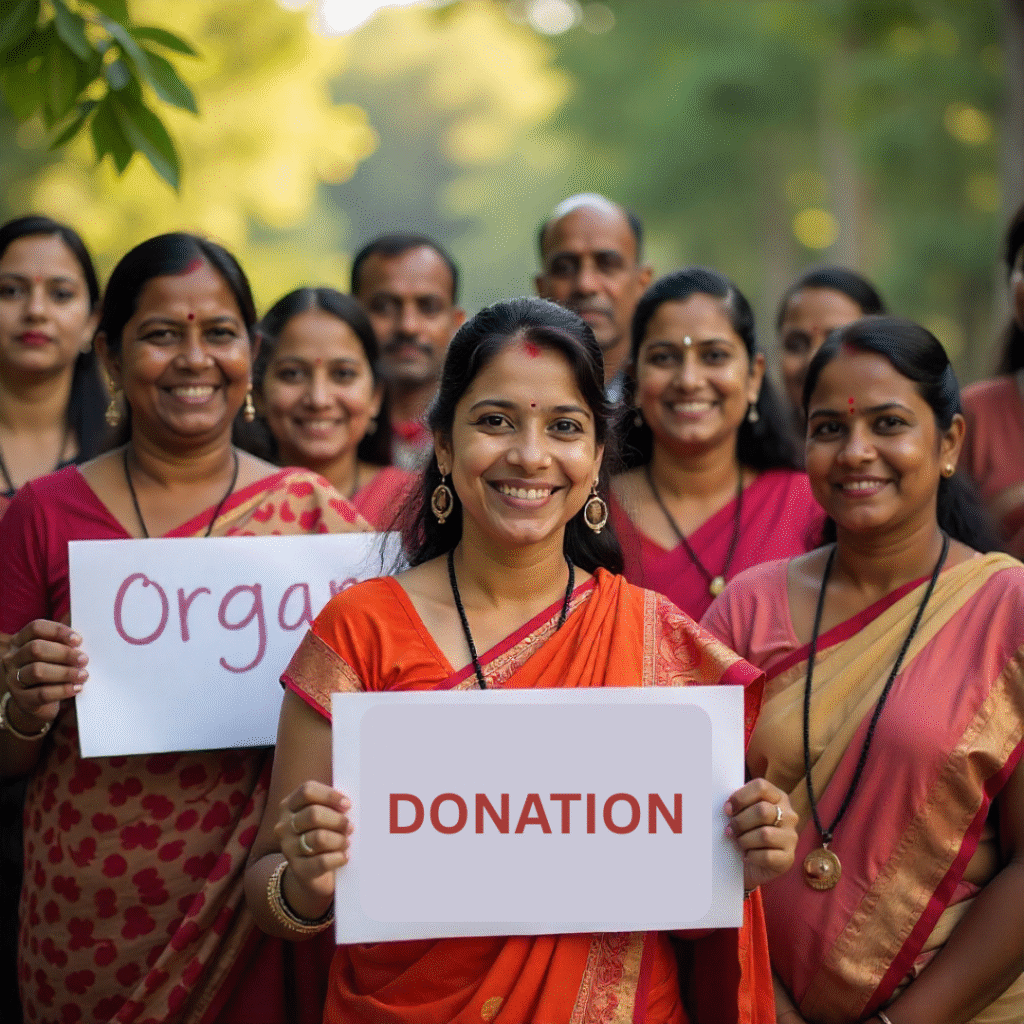
Donate organs in India with awareness, compassion and responsibility. Discover how registering with Pledge My Organs, joining volunteer events, and learning key facts can make this journey meaningful while also understanding the challenges and practical steps. By choosing to give the gift of life, you help reduce the long waiting list of patients in need of transplants and inspire others to rethink the power of organ donation. Getting involved in organ donation volunteer events further spreads awareness, encourages more people to pledge and strengthens the collective effort to save lives.
When you learn about the legal process, the role of family consent, donor eligibility, and real steps to pledge, the decision becomes more confident and informed. Whether you spread awareness, participate in volunteer events, or simply share your pledge with loved ones, every effort adds up to a greater cause.
Table of Contents
Donate organs in India, Why it matters and how you can take part
In India, thousands of people wait every day for a second chance at life through a transplant. Choosing to become a donor means stepping forward to support this hope. When an individual pledges to donate, they become part of a larger effort that has the potential to save multiple lives and bring comfort to families who are holding on to faith. Registering through Pledge My Organs offers a simple way to officially record this intention and turn compassion into action.
Along with good intention, it is important to understand the practical aspects of the donation process. Even if a person has registered as a donor, the final approval in India must come from the next of kin. This makes family communication an essential step. When loved ones are aware of the pledge and understand why it matters, they are more likely to support that wish during an emotional and difficult time. Being informed about legal and medical guidelines helps individuals and families feel more confident in the decision.
Taking this step often inspires people to encourage others, spark conversations and participate in public awareness activities. A pledge is not only a personal commitment but also a way to influence a positive shift in society. Many individuals go on to become advocates by sharing information, participating in outreach drives and helping others understand the value of donation. What starts as a single act of kindness can grow into a powerful movement that increases hope and awareness across communities.
Organ donation volunteer events, How you can engage and help
Joining volunteer events is a practical way to support the cause. These activities may include awareness talks in schools, walks or cycling drives to inspire pledges, community outreach programmes or assisting with information booths. Many organisations run volunteer initiatives designed to spread awareness and educate the public across the country.
By taking part in such events, you not only learn more about your own decision but also become a voice for positive change in your community. Whether you assist with planning, speak to friends and family, or help organise an awareness drive, every effort contributes to a larger movement and makes a lasting impact.
Pro Tips
- Register your pledge with Pledge My Organs –
Visit Pledge My Organs and declare your intent. This formal step marks your commitment and provides a donor card or registration. Taking this step allows you to donate organs in India with clarity and confidence, knowing your wish is officially recorded. It also encourages others around you to consider pledging when they see your commitment. - Discuss your decision with family –
Even after you pledge, your next of kin must consent at the time of donation. Having a conversation beforehand avoids confusion. Talking openly removes uncertainty and prepares your loved ones for making an informed decision in the future. Families who understand your intention are far more likely to support it without hesitation. - Keep your donor card accessible –
Carry your donor intent card or keep a digital copy on your phone, and let key family members know where it is. Quick access makes the process smoother when needed. Storing it in a safe and visible place can also act as a reminder of your pledge. - Attend local awareness sessions or volunteer events –
By joining organ donation volunteer events, you’ll meet others, learn the process, and help raise awareness. These gatherings show how one decision can impact many lives. You also get a chance to exchange ideas and hear inspiring real-life stories that keep your motivation alive. - Share facts with your network –
Many myths surround organ donation. Educate friends about brain-death criteria and how donation works in India. Correct information helps break fears and misunderstandings. Spreading knowledge increases acceptance and motivates more people to pledge. - Stay informed about medical eligibility –
While many people can donate, certain conditions may limit it. Being informed means you make a confident pledge. Learning medical guidelines reduces anxiety and builds comfort around the decision. It also ensures you approach donation realistically and responsibly. - Use social media to amplify the cause –
Post about your pledge and volunteer participation; encourage your friends to register and attend events. Social platforms can spread awareness far faster than word of mouth alone. Even a single post can spark interest and inspire questions that lead to more pledges. - Help organise or support a volunteer event –
If you’re eager, step up: help plan a walk-athon, a pledge booth, or a campus talk for awareness. Being involved directly builds deep understanding and creates a ripple effect of change. You also contribute to building a supportive and informed community. - Maintain your health –
Your organs are more viable when you remain healthy. Good lifestyle habits support your ability to donate after life. Simple routines like regular exercise and balanced eating can protect your long-term well-being. Taking care of yourself increases your confidence in your pledge. - Keep the conversation alive –
Periodically revisit your decision, reaffirm it with family, and stay engaged with volunteer events to keep momentum going. Continued conversations make the pledge feel natural and familiar for those around you. It keeps awareness and motivation strong, turning intention into long-term dedication.
FAQs
Q1: How do I pledge to donate organs in India?
Pledging to become a donor is straightforward: visit the Pledge My Organs site or the official registry, fill in your details, and select the organs you wish to contribute. After completing the registration, make sure to inform your family about your decision so they can support your wishes when the time comes.
Q2: What organs can be donated and who makes the final decision?
In India many organs (kidneys, liver, heart, lungs, pancreas) and tissues (corneas, skin) can be donated. While the donor’s wish is crucial, the final decision lies with the donor’s family or the next of kin at the time of death.
Q3: What happens if I pledged but my family doesn’t agree at the right time?
Even if you have pledged, donation will not proceed unless the family gives consent. That is why it’s important to have an honest discussion with your next of kin and ensure they understand your wishes.
Q4: How can I join or organise organ donation volunteer events?
You can join by contacting local NGOs, hospitals or groups working with organ donation awareness. To organise one: pick a venue (school, college, community hall), partner with a credible NGO, plan activities (talks, walk, pledge booth) and promote the event locally.
Q5: Does being a donor affect funeral arrangements or my body’s appearance?
In India donation procedures are designed to respect the donor’s body and family wishes. Transplant teams work quickly and leave the body in a condition suitable for funeral rites. Choosing to register has no negative impact on your dignity or the process.
Conclusion
Making the decision to donate organs in India is one of the most selfless actions you can take, a legacy of life for others. By registering with Pledge My Organs, discussing your wishes with family, and participating in organ donation volunteer events, you become part of a movement that changes lives.
Remember key steps: pledge, discuss, volunteer, share, as you weave your individual choice into a broader community action. Let your commitment be a gift of hope and renewal.
